
How to Choose the Right Carbon Fibre Roller for Blown Film Machines
In modern blown film production, roller performance directly affects web stability, winding quality, energy consumption, and overall machine efficiency. As line speeds continue to increase, traditional steel rollers are often unable to provide the dynamic performance required by high-speed operations. This is why more manufacturers are switching to carbon fibre rollers.
However, selecting the right carbon fibre roller is not simply a matter of choosing a lightweight alternative. Factors such as roller diameter, length, shaft design, surface treatment, and operating speed all play an important role in determining overall performance. Understanding these key parameters can help manufacturers maximize productivity and reduce maintenance costs.
Why Blown Film Machines Need Carbon Fibre Rollers
Blown film production requires precise tension control and stable web transportation. Any vibration, roller deflection, or imbalance can lead to wrinkles, poor winding quality, and inconsistent film thickness.
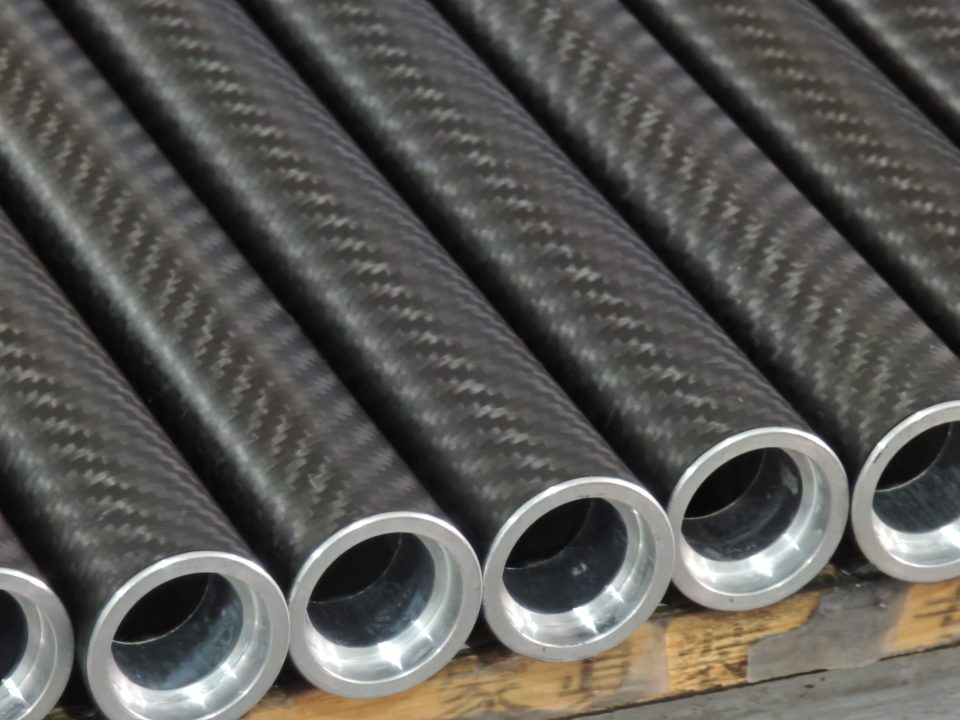
Compared with conventional steel rollers, carbon fibre rollers offer several advantages:
- 60%–80% lighter weight
- Higher rigidity
- Better dynamic balance
- Reduced vibration
- Lower energy consumption
- Longer bearing life
These benefits make carbon fibre rollers particularly suitable for modern blown film lines operating at high speeds.
Determine the Appropriate Roller Diameter
Roller diameter is one of the first factors that should be considered. Different diameters are suitable for different operating conditions.
Smaller rollers are commonly used for lightweight film and compact machine layouts, while larger rollers provide better rigidity and are more suitable for wide-web applications.
Choosing the correct diameter helps improve rigidity and minimize roller deflection.
Consider Roller Length
Roller length should match the width of the film being processed.
Long rollers experience higher bending forces, especially when handling wide materials. Excessive deflection can cause uneven tension distribution and lead to wrinkles.
Carbon fibre composites possess excellent stiffness-to-weight ratios, making them highly suitable for long-span applications.
For wide blown film lines, lightweight carbon fibre rollers provide better dimensional stability while maintaining smooth web transport.
Select the Proper Shaft Design
Different machine structures require different shaft configurations.
Through Shaft
This design provides excellent strength and is commonly used in heavy-duty applications.
Stub Shaft
Stub shafts are widely used because they allow easier installation and maintenance.
Fixed Shaft
Fixed shaft designs are suitable for specific machine layouts where roller positioning is critical.
Before manufacturing a roller, it is important to confirm shaft dimensions and bearing arrangements to ensure compatibility with existing equipment.
Surface Treatment Options
Surface finish can greatly influence film handling performance.
Hard Chrome Plating
Hard chrome surfaces provide excellent wear resistance and corrosion resistance. They are widely used for guide rollers and idler rollers.
Teflon Coating
Teflon-coated rollers are ideal for adhesive films because they offer superior anti-stick properties.
Rubber Covering
Rubber-coated rollers increase friction and are commonly used for nip rollers and pull rollers.
Ceramic Coating
Ceramic surfaces provide exceptional durability and are suitable for demanding operating environments.
Selecting the right surface treatment helps improve film quality and extend roller service life.
Do you need to replace your current rollers for improved Productivity?
Contact SHUNYI now to learn more about carbon fiber rollers!
Dynamic Balancing Matters
High-speed blown film machines require extremely stable rotation.
Even a small imbalance can produce vibration and negatively affect winding quality.
Professional carbon fibre rollers are usually dynamically balanced according to international standards.
Proper balancing reduces vibration, improves web stability, and contributes to longer bearing life.
Operating Speed Should Not Be Ignored
Machine speed is another important parameter.
A roller designed for 200 m/min may not perform properly at 600 m/min. Higher speeds require better rigidity and tighter balancing tolerances.
As production capacity increases, roller design becomes increasingly important.
Manufacturers should always provide the maximum operating speed when requesting customized carbon fibre rollers.
Information Required for Custom Manufacturing
To ensure the roller meets machine requirements, manufacturers usually need the following information:
- Roller diameter
- Roller length
- Shaft dimensions
- Surface treatment requirements
- Maximum operating speed
- Film material
- Working temperature
- Bearing specifications
Providing complete information helps engineers design the most suitable solution and avoid unnecessary modifications later.
Common Mistakes When Selecting Rollers
Many users focus only on weight reduction while overlooking other important factors.
Some common mistakes include:
- Ignoring dynamic balancing requirements
- Choosing incorrect shaft dimensions
- Selecting unsuitable surface coatings
- Underestimating operating speed
- Using oversized or undersized rollers
A properly designed roller should achieve the right balance between rigidity, weight, and durability.
Applications of Carbon Fibre Rollers in Blown Film Production
Carbon fibre rollers are widely used throughout the entire production process.
Typical applications include:
Guide Rollers
Provide stable web transport.
Idler Rollers
Reduce friction and maintain smooth operation.
Nip Rollers
Improve traction and tension control.
Winding and Unwinding Systems
Ensure excellent roll quality and reduce vibration.
Because of their lightweight construction and superior dynamic performance, carbon fibre rollers have become an increasingly popular choice for modern film converting industries.
Conclusion
Selecting the right carbon fibre roller involves much more than choosing a lightweight material. Roller diameter, length, shaft configuration, surface treatment, dynamic balancing, and operating speed all influence overall performance.
By understanding these factors and working with an experienced manufacturer, blown film producers can improve web stability, reduce downtime, and achieve higher production efficiency. As demand for high-speed and high-quality film production continues to grow, carbon fibre rollers are becoming an essential component in modern converting equipment.
